
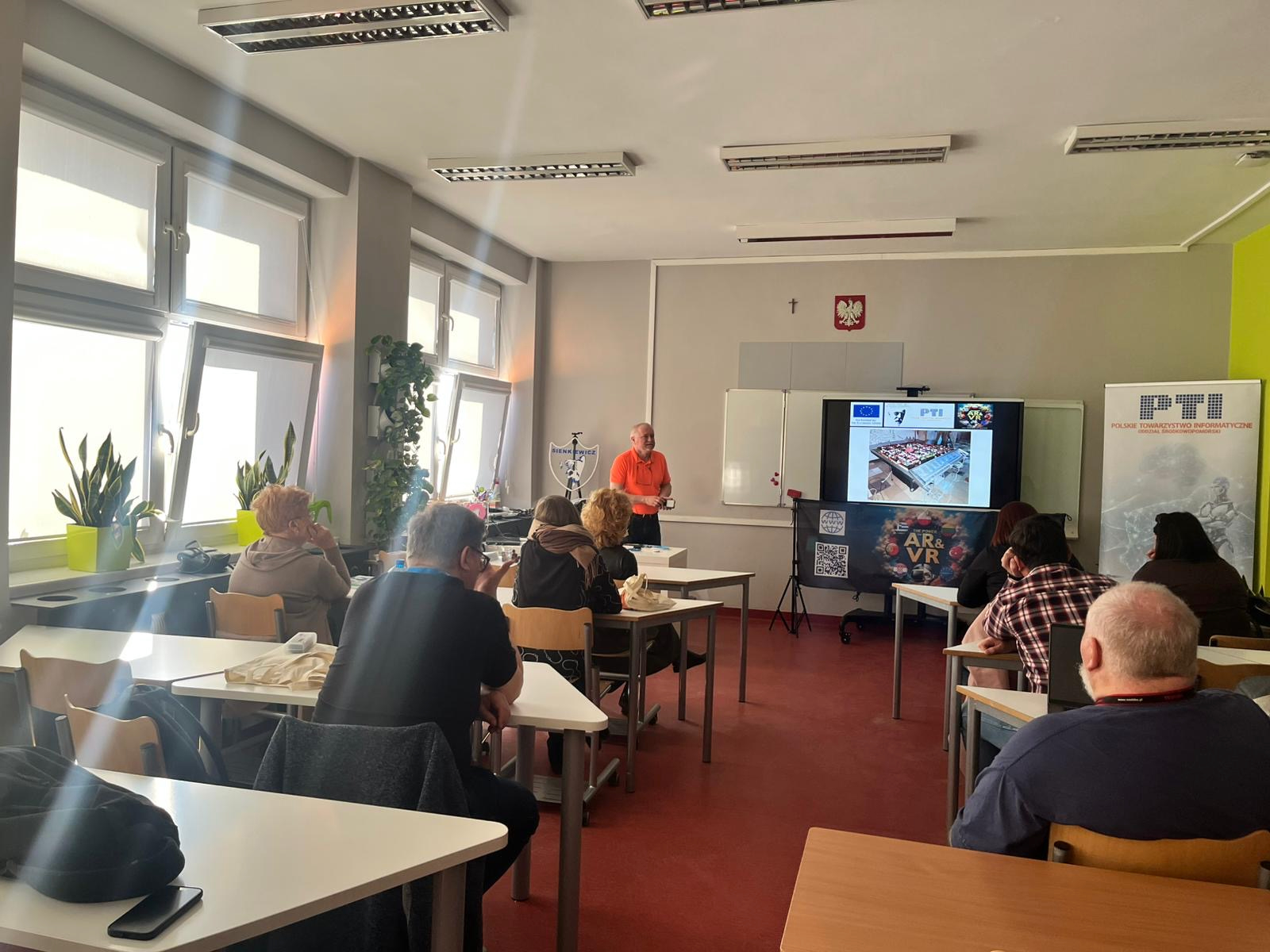
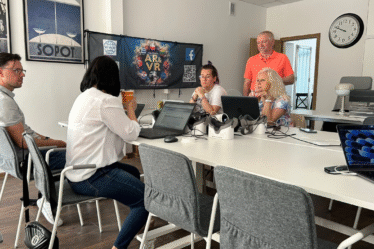
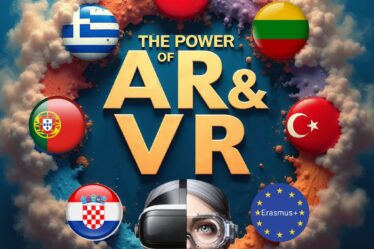
During the 17th “Better Education” Conference, held on March 6–7, 2026, in Września, the results and best practices from the Erasmus+ The Power of AR and VR project were presented. The speakers were A. Emerle and J. Kawałek.
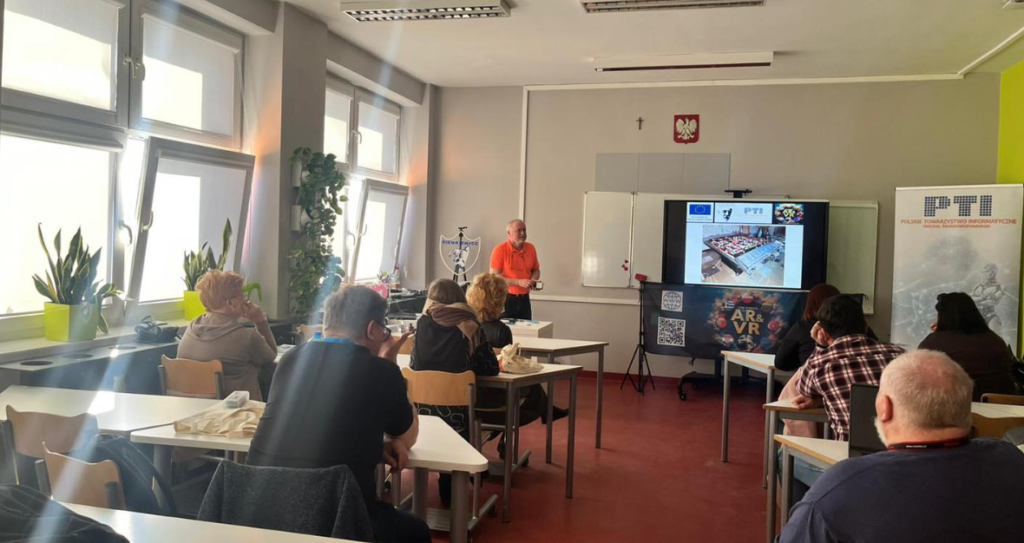
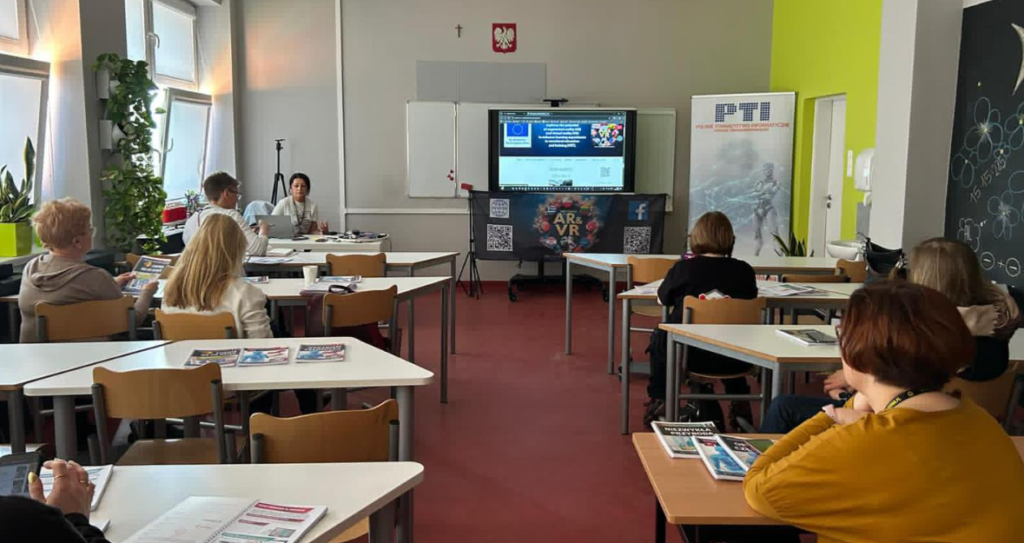
As part of the conference, thematic workshops were also conducted. A. Emerle led a session titled “From Paper to Augmented Reality: Practical Use of AR Books in Schools”, where she discussed the application of AR Books – AR Books LibrARy edition and demonstrated ways to integrate them into teaching practice.
Meanwhile, J. Kawałek conducted a workshop titled “How to Make a Neon Using a 3D Printer and LED Tape”, during which participants learned the process of creating simple light installations and explored the potential of modern technologies in education.
What was the biggest challenge in the project?
Are there already any results in schools?
How do students respond to these technologies?
It’s fascinating to see how the 'Better Education’ Conference is bridging the gap between traditional teaching and cutting-edge tech like AR and 3D printing. These practical applications are exactly what we need to prepare students for the future. How do you see AR or VR changing the way we teach traditional subjects in the next few years?
Do students focus more ?
What educational benefits come from combining modern technologies, such as 3D printing and LED lighting, with hands-on manual skills, as mentioned by J. Kawałek?
What was the biggest challenge in the project?
Are there already any results in schools?